

Kitchen design mistakes often happen when important details are overlooked or rushed. A kitchen is used daily, so poor design choices quickly become frustrating. Careful planning helps avoid expensive repairs and uncomfortable layouts.
This guide explains common kitchen design mistakes and how to prevent them. Simple decisions made early can protect your budget, comfort, and long-term satisfaction.
Kitchen Design Mistakes To Avoid During Planning
Kitchen planning sets the foundation for how the space will function every day. Many homeowners focus on appearance and forget about practical daily use.
A beautiful kitchen can still fail if it does not support movement, storage, and cooking habits. Planning errors often create awkward layouts that are difficult to fix later. Time spent planning always pays off in usability and comfort.
Effective planning includes layout flow, appliance placement, lighting, materials, and safety. A successful kitchen balances design with real-life needs.
Families, entertaining habits, and cooking frequency should guide decisions. Ignoring these factors results in wasted space and constant inconvenience. Thoughtful planning creates a kitchen that feels effortless to use.
Failing to Plan Electrical Outlets for a Modern Kitchen
Modern kitchens rely on many electrical appliances and digital devices. Not planning enough outlets is one of the most common design mistakes. Blenders, air fryers, mixers, and coffee machines all require power.
Many kitchens also need charging stations for phones and tablets. Limited outlets force unsafe extension cord use. Outlet placement matters just as much as outlet quantity. Poorly placed outlets disrupt workflow and reduce counter space.
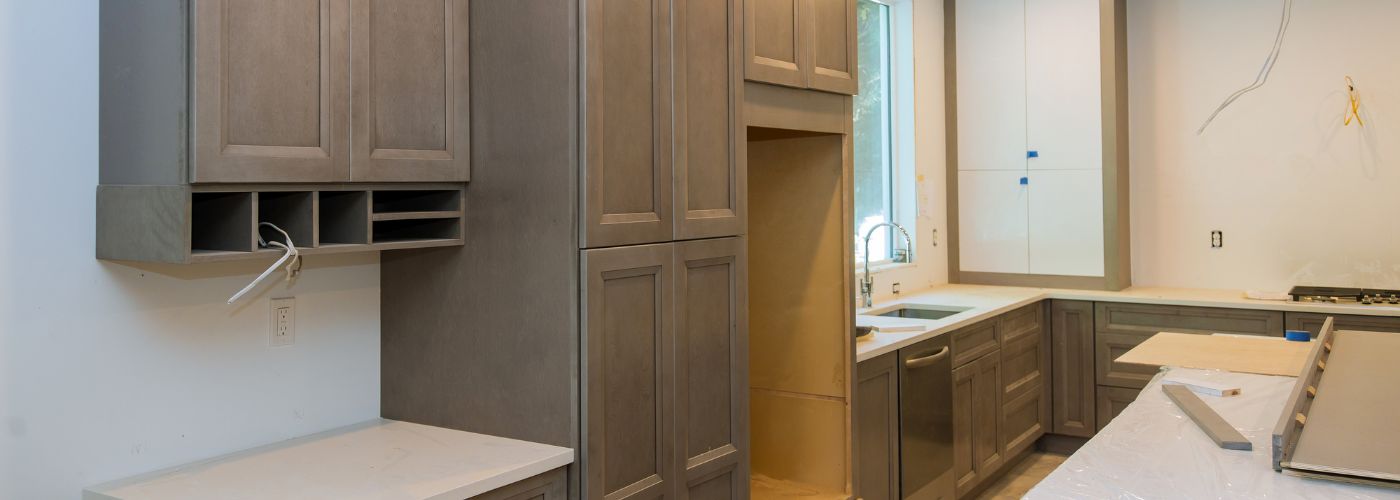
Islands often need outlets for prep tools and seating areas. Appliance garages and pantry zones also require power access. Missing these details creates daily frustration.
Electrical planning should also consider safety and future upgrades. GFCI outlets are essential near sinks and wet zones. Extra outlets allow flexibility as technology evolves.
Adding outlets after construction increases labor and cost. Early planning ensures safety, convenience, and long-term adaptability.
Selecting Countertop Materials That Require Excessive Maintenance
Countertops are one of the most used kitchen surfaces. Choosing high-maintenance materials often leads to regret. Some stone surfaces stain easily and require frequent sealing.
Busy households may struggle to maintain these materials properly. Damage can appear faster than expected.
Maintenance requirements should match daily lifestyle and habits. A countertop should simplify life, not create extra work. Constant cleaning and sealing can become exhausting.
Ignoring maintenance leads to dull surfaces and permanent marks. This affects both appearance and value.
Low-maintenance materials offer durability and peace of mind. Engineered surfaces resist stains, scratches, and heat better. Quartz and modern composites provide a consistent appearance.
These materials suit families and frequent cooks. Smart material selection saves time and reduces long-term costs.
Neglecting Proper Kitchen Clearance
Kitchen clearance affects comfort, movement, and long-term usability. Insufficient spacing makes even large kitchens feel cramped and restrictive.
Clearance is needed between countertops, base cabinets, and upper cabinets. Limited space reduces prep comfort and cleaning access. Poor spacing disrupts daily kitchen routines.
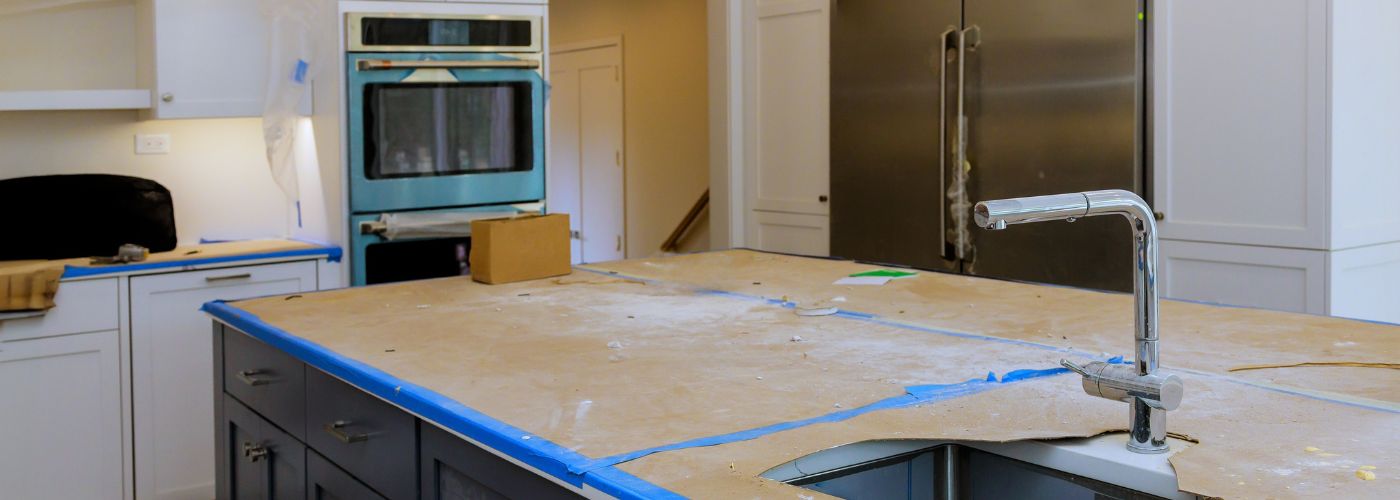
Vertical clearance is just as important as horizontal spacing. Upper cabinets placed too close to countertops restrict workspace and visibility.
Cabinets installed too close to the ceiling can interfere with lighting and ventilation. Inadequate roof clearance may also limit crown molding or cabinet extensions. Proper height planning prevents visual and functional issues.
Appliance doors and drawers require space to open fully. Ignoring clearance causes collisions between appliances, cabinets, and walkways.
Refrigerators and dishwashers often conflict with nearby cabinets. These problems become obvious only after installation. Fixing clearance mistakes later is expensive.
Proper clearance supports safe movement and efficient workflow. Industry guidelines define minimum spacing for aisles, cabinets, and vertical height.
Adequate space improves traffic flow and comfort. Thoughtful clearance planning creates a kitchen that feels open and functional. Good spacing transforms daily kitchen experiences.
Using Budget Materials in High-Traffic Surfaces
High traffic areas experience constant wear and impact. Low-quality materials wear out quickly in busy kitchens. Cabinet doors, floors, and countertops receive daily stress.
Cheap materials chip, peel, and scratch easily. Repairs become frequent and expensive.
High-traffic surfaces demand durability and strength. Saving money up front often increases long-term expenses. Replacing worn surfaces costs more than the initial investment.
Visible damage also lowers visual appeal. Quality materials maintain performance under heavy use.
Strategic investment protects your kitchen over time. Durable finishes preserve appearance and reduce maintenance.
Flooring and cabinet hardware should withstand daily activity. Strong materials also enhance resale value. Spending wisely creates long-lasting satisfaction.
Overlooking Ventilation Requirements
Ventilation plays a critical role in kitchen comfort and health. Poor ventilation traps smoke, grease, and moisture. Cooking odors linger and spread throughout the home.
Grease buildup damages cabinets and walls. Air quality suffers without proper airflow.
Many kitchens rely on weak or decorative ventilation systems. Inadequate hoods fail to remove heat and fumes. Recirculating fans often do not perform effectively.
This leads to constant cleaning and discomfort. Ventilation mistakes reduce kitchen enjoyment.
Ventilation design should match cooking habits and appliance power. Strong airflow supports cleanliness and healthier air. Ducted systems perform better than recirculating options.
Noise level and efficiency should also be considered. Proper ventilation protects surfaces and improves daily comfort.