

Bathroom renovations can improve comfort, functionality, and the overall value of a home. However, even small planning errors can lead to expensive repairs, daily frustrations, and disappointing results.
This article goes over the most common bathroom remodeling mistakes homeowners should avoid to help create a space that looks great and performs well for years.
Top Bathroom Remodeling Mistakes
Many homeowners begin a renovation project with a vision of a beautiful new bathroom, but the process often involves more than choosing finishes and fixtures.
One of the most common bathroom remodeling mistakes is focusing too heavily on appearance while overlooking practical concerns such as layout, ventilation, waterproofing, and long-term durability.
These details may not be the most exciting part of a remodel, but they play a major role in how well the space functions after construction is complete.
A successful bathroom renovation depends on balancing design goals with proper planning and professional execution. Rushing decisions or cutting corners can result in unexpected expenses, structural issues, or features that fail to meet everyday needs.
Understanding the most common pitfalls before work begins can help homeowners make informed choices and avoid costly setbacks throughout the remodeling process.
Not Working With A Bathroom Contractor
Attempting to manage a renovation without professional guidance is another major source of bathroom remodeling mistakes.
While some homeowners hope to save money through a do-it-yourself approach, bathroom renovations often involve plumbing, electrical work, structural modifications, and building code requirements that require specialized knowledge. Mistakes made during installation can lead to expensive repairs later.
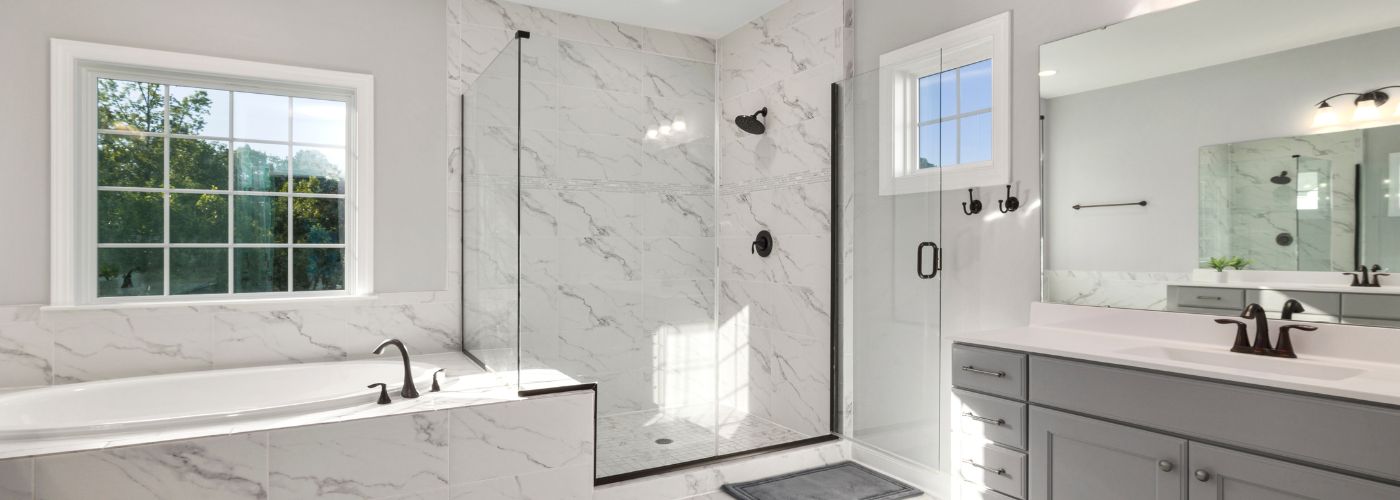
Experienced bathroom contractors understand how different components work together and can identify potential problems before they become serious issues.
They help coordinate schedules, obtain necessary permits, and ensure work is completed according to industry standards. Having a knowledgeable professional involved can reduce stress while improving the overall quality of the finished project.
Professional oversight often prevents costly errors that may not become visible until months or even years after construction is finished.
Contractors can also recommend materials, layouts, and design solutions that fit both the homeowner’s budget and long-term goals. Their expertise often saves time and money by avoiding unnecessary rework.
Underestimating Space Requirements During Remodeling
One of the most frequent bathroom remodeling mistakes involves failing to accurately evaluate how much space is needed for fixtures, storage, and movement within the room.
A layout may appear functional on paper, but once vanities, toilets, showers, and cabinets are installed, the room can feel cramped and difficult to use. Poor spacing can make it uncomfortable to open doors, access storage areas, or move around the bathroom safely.
Careful measurements should be taken before finalizing any design plans. It is important to consider clearance requirements around toilets, sinks, and shower doors to ensure everything operates properly.
Even a few inches can make a significant difference in comfort and usability once the project is complete. Homeowners should also think about future needs, such as additional storage or accessibility features, when planning the layout.
Another common issue is trying to fit oversized fixtures into a small bathroom. Large vanities, freestanding tubs, or bulky storage cabinets may look attractive in a showroom but can overwhelm a limited space.
Choosing appropriately sized fixtures helps maintain an open, comfortable environment without sacrificing functionality.
Skipping Professional Waterproofing in Wet Areas
Water is one of the biggest threats to any bathroom, making waterproofing a critical part of the renovation process.
Unfortunately, one of the most damaging bathroom remodeling mistakes is failing to properly waterproof areas exposed to frequent moisture. Showers, tub surrounds, floors, and walls can all experience water penetration if the correct protective measures are not installed.
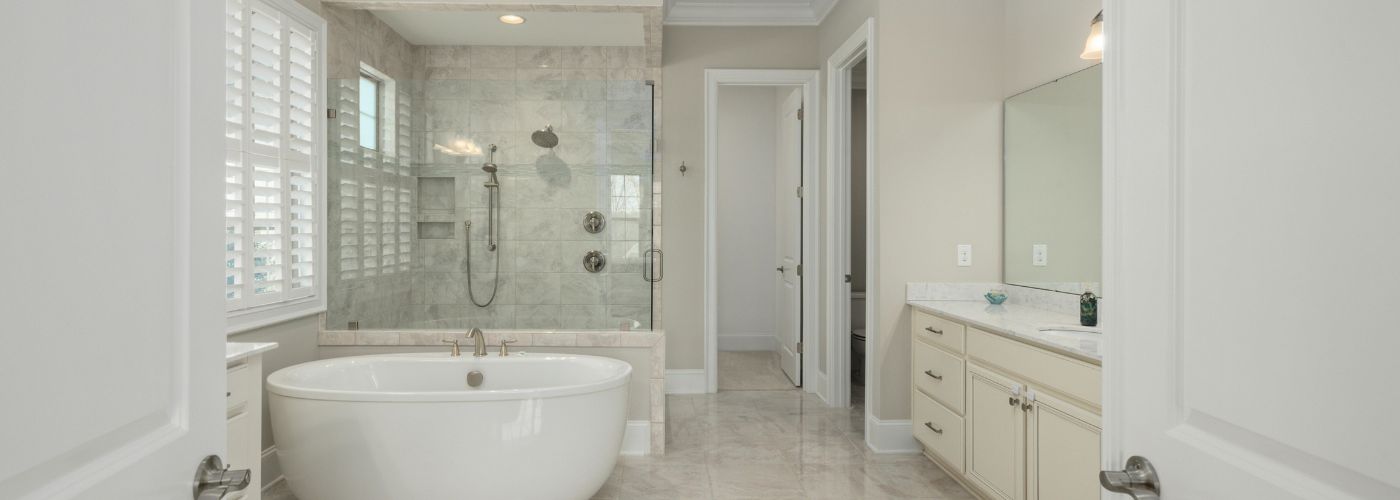
Without adequate waterproofing, moisture can seep behind tiles and into surrounding building materials. Over time, this can lead to mold growth, wood rot, damaged drywall, and structural deterioration.
These issues often remain hidden until significant damage has already occurred, resulting in expensive repairs that could have been prevented.
Water damage repairs can easily exceed the cost of proper waterproofing during the initial renovation.
Professional waterproofing systems create a protective barrier that helps prevent leaks and moisture intrusion. Investing in this step provides long-term protection and helps preserve the integrity of the entire bathroom.
Homeowners should also remember that grout and tile alone are not waterproof solutions.
Specialized membranes and moisture management systems are necessary to ensure wet areas remain protected throughout the life of the bathroom.
Selecting Materials That Aren’t Suitable & Durable
Choosing materials based solely on appearance is another example of common bathroom remodeling mistakes.
Bathrooms experience constant exposure to humidity, water, temperature fluctuations, and daily wear. Materials that perform well in other parts of the home may not hold up under these demanding conditions.
For example, certain wood products can warp when exposed to moisture, while low-quality flooring materials may deteriorate quickly in high-humidity environments.
Countertops, cabinetry, flooring, and wall finishes should all be selected with durability and maintenance requirements in mind. Products specifically designed for bathroom use generally offer better long-term performance.
Investing in durable materials often reduces maintenance costs and extends the lifespan of the entire renovation.
While premium materials may require a higher upfront investment, they can provide better resistance to stains, scratches, moisture, and everyday wear. This helps maintain the bathroom’s appearance and functionality over time.
It is also important to consider cleaning and maintenance needs before making final selections.
Some materials require ongoing sealing, specialized cleaning products, or more frequent upkeep than others. Understanding these requirements helps homeowners choose products that fit their lifestyle and expectations.
Neglecting Electrical Outlet Safety & Placement
Electrical planning is often overlooked during bathroom renovations, leading to another category of costly bathroom remodeling mistakes.
Modern bathrooms rely on a variety of electrical devices, including hair dryers, electric toothbrushes, razors, lighting systems, heated floors, and exhaust fans.
Poor outlet placement can make daily routines inconvenient and limit the functionality of the space.
Outlets should be strategically located near vanities and other commonly used areas while complying with local electrical codes.
Safety is especially important because bathrooms contain water and moisture that increase the risk of electrical hazards. Properly installed ground-fault circuit interrupter (GFCI) outlets help reduce these risks by shutting off power when an issue is detected.
Electrical safety should never be treated as an afterthought during a bathroom renovation project.
Working with qualified professionals ensures that wiring, outlets, lighting, and ventilation systems are installed correctly and safely. This not only improves convenience but also helps protect the home and its occupants.
Future needs should also be considered when planning electrical layouts.
Adding extra outlets or preparing for future upgrades can prevent the need for additional electrical work later. Thoughtful planning helps create a bathroom that remains functional and adaptable for years to come.